- Published on
This quarter at NSA, students came to a realization of how important developing leadership skills could be for individuals as well as for our community. In response to this epiphany, students took the initiative to work with staff to organize a weekly club which develops those critical leadership skills.
Each week, the LEAD Club meets to learn about and discuss topics which include assertive communication, leading by example, effective body language, and public speaking.
The student-created LEAD Club is not only a great example of NSA students being empowered to develop programmatic aspects, but a valuable resource for them and our community.
Each week, the LEAD Club meets to learn about and discuss topics which include assertive communication, leading by example, effective body language, and public speaking.
The student-created LEAD Club is not only a great example of NSA students being empowered to develop programmatic aspects, but a valuable resource for them and our community.

- Published on
http://well.blogs.nytimes.com/2016/03/16/the-best-way-to-fight-with-a-teenager/?_r=0
This is a great article about the different "responses" or "reactions" we can have to conflict as parents and adolescents. The main point is to take a problem-solving approach (instead of attacking, complying or withdrawing). The problem-solving approach has the best effects on mental health, identity, resilience, confidence, relationships and future outcomes.
This is a great article about the different "responses" or "reactions" we can have to conflict as parents and adolescents. The main point is to take a problem-solving approach (instead of attacking, complying or withdrawing). The problem-solving approach has the best effects on mental health, identity, resilience, confidence, relationships and future outcomes.
- Published on
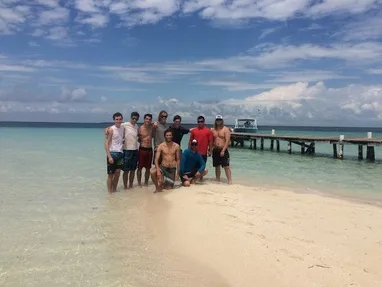
NSA students who have graduated the program but chosen to remain enrolled to complete high school have the opportunity to enroll in the Second Summit Program, which focuses on building real-life skills for a successful transition. Part of that development is the opportunity to learn and practice important organizational and travel skills on Second Summit’s international Aventuras.
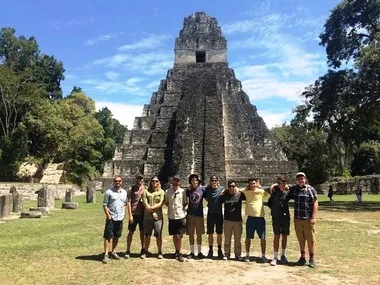
This quarter, these senior students traveled to Belize and Guatemala to help plan our July all-school trip. Students booked transportation, accommodations, arranged service-learning opportunities – all while enjoying the history of Mayan sites and the beauty the Belizean coast.
- Published on
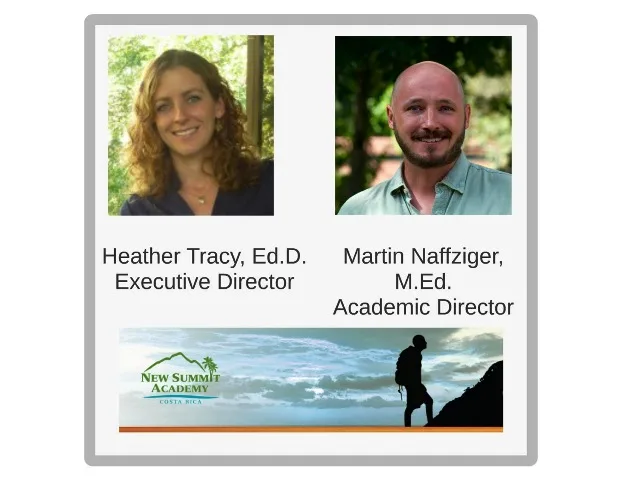
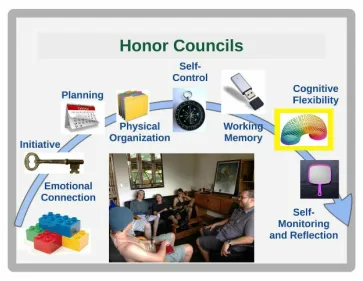
This month, at the National Association of Therapeutic Schools and Programs (NATSAP) conference in La Jolla, California, Academic Director Martin Naffziger and Executive Director Heather Tracy delivered a presentation on how to design a program that intentionally develops Executive Functioning skills.
Because Executive Functioning is such an essential and elemental set of processes which help determine success in so many areas, NSA works holistically with students who struggle so that these skills are intentionally strengthened and consistently applied in academic work, community life, therapeutic interventions, and the development of key life skills. This daunting task cannot be accomplished by a lone therapist, a favorite teacher, or a passionate mentor alone, as this approach would isolate skill development to only one type of task – homework completion, flexibility in changing plans, or incorporating feedback.
Martin and Heather’s presentation outlined how a program can develop an integrated approach to strengthening Executive Functioning skills. This approach begins with an intentional, systemic structuring of how students – and the professionals with whom they work – are guided in problem-analysis, goal-setting and management of steps, daily time management, self-monitoring, and more – so that the very programmatic steps students engage in build Executive Functioning skills by applying them throughout the day, every day.
The presentation provided concrete techniques and structures – using our one-of-a-kind program as examples – which allow teachers, therapists, experiential educators to collaborate in developing an integrated, whole-program approach to building Executive Functioning skills.
When we consider that students will need to, after transition, apply these skills in every facet of their adult lives, no approach but an integrated one can succeed.
Because Executive Functioning is such an essential and elemental set of processes which help determine success in so many areas, NSA works holistically with students who struggle so that these skills are intentionally strengthened and consistently applied in academic work, community life, therapeutic interventions, and the development of key life skills. This daunting task cannot be accomplished by a lone therapist, a favorite teacher, or a passionate mentor alone, as this approach would isolate skill development to only one type of task – homework completion, flexibility in changing plans, or incorporating feedback.
Martin and Heather’s presentation outlined how a program can develop an integrated approach to strengthening Executive Functioning skills. This approach begins with an intentional, systemic structuring of how students – and the professionals with whom they work – are guided in problem-analysis, goal-setting and management of steps, daily time management, self-monitoring, and more – so that the very programmatic steps students engage in build Executive Functioning skills by applying them throughout the day, every day.
The presentation provided concrete techniques and structures – using our one-of-a-kind program as examples – which allow teachers, therapists, experiential educators to collaborate in developing an integrated, whole-program approach to building Executive Functioning skills.
When we consider that students will need to, after transition, apply these skills in every facet of their adult lives, no approach but an integrated one can succeed.